
10-11 a.m., Monday, February 2 | Pritzker 1531 and Zoom
Large introductory chemistry courses generate extensive assessment, clickstream, and participation data, yet students rarely receive timely, actionable feedback that can meaningfully guide their learning. This project introduces a Python-based learning analytics pipeline designed to transform raw course data into individualized, interpretable reports that help students understand their progress, identify conceptual disparities, and make informed decisions about their study strategies. Preliminary analyses indicate that students who regularly engage with the reports demonstrate more accurate self-assessment, improved metacognitive strategy use, and more targeted help-seeking behaviors. This work demonstrates how instructor-created Python tools can scale personalized feedback in large-enrollment STEM courses, shifting analytics from a grading mechanism to a pedagogically meaningful resource that empowers student learning.
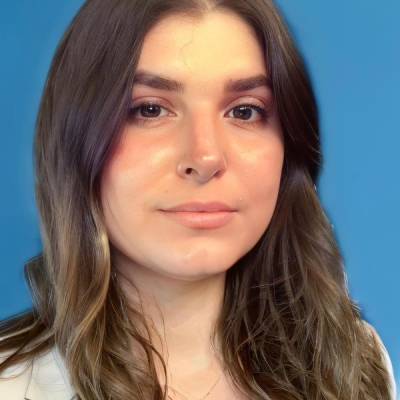
Presenter Bio: Jocelyn E. (“Josie”) Nardo (she/her) is an Assistant Professor of Chemistry & Biochemistry at The Ohio State University whose research examines how disciplinary norms in chemistry are experienced by students who are discouraged from pursuing or remaining in the field. She studies how course design, assessment practices, and departmental structures shape students’ day-to-day interactions with chemistry, with particular attention to students from communities historically pushed out of the discipline, including disabled students, LGBTQ+ students, first-generation college students, students with limited financial resources, and students of color. Her work on disability in chemistry learning environments, students’ help-seeking and learning ecosystems, and graduate program milestones has been published in Chemistry Education Research and Practice and the Journal of Chemical Education. She is PI and co-PI on grants from the Spencer Foundation, the National Science Foundation, UL Research Institutes, and The Ohio State’s Kirwan Institute and Student Academic Success Research Award program.